Fruit Tree Supplier in Britain Reveals Top 5 Dwarf Plum Trees for Patios and Pots

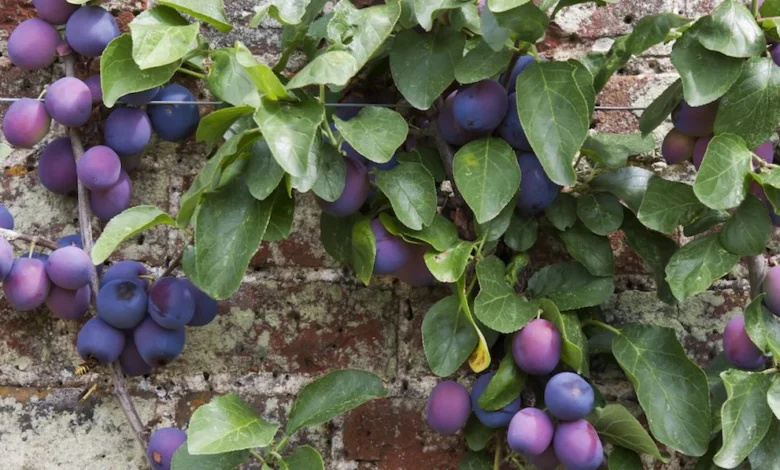
A dwarf plum tree is a practical way to produce useful crops in a small garden, on a terrace, or even in a sheltered courtyard where space is limited. A well-chosen tree can stay compact, look tidy through the year, and still deliver a worthwhile harvest if it is given the right pot, regular watering, and sensible pruning. The key is not simply choosing any plum tree with a small label attached, but selecting a variety and rootstock combination that suits container life.
The fruit trees specialists at Fruit-Trees nursery advise that gardeners should think first about long-term management rather than just the eventual fruit. In their view, many people who plan to buy dwarf plum trees do better when they match the tree to a realistic patio space, a sunny aspect, and a container that can support several years of steady growth without becoming unmanageable. They also note that dwarf plums can be especially useful in Britain because they warm up quickly in spring when placed in a sheltered position, but they still need good drainage and close attention during dry spells.
That practical approach matters because plums behave differently from apples and pears in pots. They can be productive in small spaces, but they do not respond well to neglect. A patio plum that dries out repeatedly, sits in exhausted compost, or becomes badly root-bound will soon show it in weak growth and poor fruit quality. On the other hand, a dwarf tree that is carefully chosen and properly maintained can combine ornamental value with a dependable annual crop.
This guide looks at five of the best dwarf plum trees for patios and pots from a British growing perspective. The emphasis is on varieties that are compact, productive, and realistic for ordinary gardeners rather than specialist collectors. It also explains what makes one tree better for container growing than another, how to avoid common mistakes, and why some well-known plums are easier to manage than others in a British climate.
What makes a dwarf plum tree suitable for a patio
Not every plum tree marketed for a small garden is equally well suited to pot culture. The best patio trees have a combination of restrained vigour, reliable cropping, and a growth habit that can be shaped without constant intervention. In practical terms, that usually means a tree grafted onto a comparatively dwarfing rootstock or trained in a form that naturally limits size, such as a patio standard or compact bush. The label matters, but the underlying structure matters more. A vigorous plum on a strong rootstock may still become too large for a container, even if it starts life at a manageable height.
For British gardeners, pollination is another important point. Some plum varieties are self-fertile, while others crop better with a partner nearby. In a large orchard that is not much of a problem, but on a patio it can make the difference between a tree that gives a proper harvest and one that flowers well but sets little fruit. That is why compact self-fertile varieties often have an edge for container growing. They simplify the arrangement and remove the need to find space for a second compatible tree.
The timing of blossom also matters in Britain. Early flowering plums can be vulnerable to late frosts, especially in colder inland areas. A warm patio against a wall may encourage blossom to open even earlier, which is helpful for growth but risky for fruit set if the weather turns. A good patio variety is not just small; it is resilient enough to cope with uneven spring conditions and still crop in an average year.
Fruit quality should not be overlooked either. There is little value in keeping a tree on a patio for several years if the crop is disappointing. Good container plums need to justify the effort of watering, feeding, and repotting. The best ones offer either reliable dessert quality, useful cooking value, or genuine versatility. A successful patio tree earns its place twice over by being decorative in spring and productive later in the season.
Finally, disease resistance and general toughness are worth considering. Trees in pots are often slightly more stressed than those in open ground, so weak or temperamental varieties can struggle. Robust growth, reasonable tolerance of British weather, and a willingness to recover after pruning all make a real difference. The five varieties below stand out because they meet these tests more convincingly than many larger or less adaptable plunes commonly sold for garden planting.
Victoria: the dependable choice for most British growers
If one plum variety still defines the British garden, it is Victoria. It remains common for good reason. It is productive, familiar, and broadly useful in the kitchen as well as for eating fresh when fully ripe. For patios and pots, Victoria is often the variety people ask about first, and in many cases that instinct is sensible. On a suitably dwarfing rootstock or in a genuinely compact trained form, it can adapt well to container growing provided the gardener accepts that it will still need regular pruning and careful attention to vigour.
Victoria’s main strength is reliability. It is self-fertile, which is a major advantage where there is room for only one tree, and it crops heavily once established. In British conditions, that kind of consistency is especially valuable. A patio tree needs to justify the space it occupies, and Victoria usually does. The fruit develops the classic red-flushed appearance that many people recognise immediately, and the balance between sweetness and acidity makes it one of the most flexible plums for household use.
For container culture, however, the same strong productivity can become a management issue. Victoria often sets large numbers of fruits, and if they are not thinned in a heavy year the branches can become overloaded. On a small potted tree, that stress is more significant than it would be in open ground. Thinning improves the final size and quality of the crop and helps prevent branch damage. It also reduces the exhausting effect of overcropping, which can leave a compact tree weakened for the following season.
Another reason Victoria remains a leading patio choice is that its behaviour is well understood by British gardeners. There is a long history of growing it in varied climates and garden settings, so it tends to come with realistic advice rather than exaggerated promises. Gardeners who want a familiar, proven, all-purpose plum often find it easier to manage than more specialised dessert varieties.
That said, Victoria is not the smallest or neatest plum by nature. It suits gardeners who are willing to prune lightly in summer, refresh compost when needed, and keep the tree balanced. For someone who wants a classic British plum and is prepared to do the basic maintenance properly, Victoria still deserves its place near the top of the list.
Opal: the compact dessert plum with strong patio appeal
Opal is often one of the best answers for gardeners who want a plum mainly for eating fresh. It is smaller in fruit than some traditional varieties, but it makes up for that with flavour, manageable growth, and dependable performance in British gardens. In containers, those qualities matter more than sheer fruit size. A patio tree should be productive without turning into a constant pruning job, and Opal usually keeps a more moderate habit than many stronger-growing plums.
One of Opal’s biggest strengths is that it tends to crop early in the season. For many gardeners, that is a real advantage because it brings the harvest forward and reduces the wait between spring blossom and usable fruit. On a warm patio or in a sheltered urban garden, that early ripening can work particularly well. The fruit develops a deep red-purple colouring and a sweet flavour that makes it a true dessert plum rather than simply a general-purpose crop.
Opal is also self-fertile, which again makes it more practical for patios and small gardens. A gardener does not need to build the whole planting scheme around pollination requirements, and the tree can still fit neatly into a mixed container arrangement with herbs, soft fruit, or ornamental pots nearby. In many cases, people who decide to buy dwarf plum trees for a terrace or paved seating area are looking for ease as much as abundance, and Opal answers that need better than many larger, more complicated varieties.
Its compact nature does not remove the need for care. Like all potted plums, it needs consistent moisture through the growing season. If it is allowed to dry out badly while the fruit is swelling, quality will suffer and the tree may shed fruit prematurely. It also benefits from a sunny position where the fruit can ripen properly. Britain’s cooler summers are not always a problem, but insufficient light on a shaded patio can leave Opal underperforming.
Another advantage is its ornamental value. The spring blossom is clean and attractive, and because the tree remains relatively manageable, it can work visually in a small space without dominating it. That balance between appearance and usefulness is exactly what a patio fruit tree should provide. For gardeners who place taste first and space second, Opal is one of the strongest compact plums available.
Czar and Merryweather: the best practical choices for cooking and mixed use
Not every patio grower wants a plum mainly for dessert use. Many British households still value plums for jams, chutneys, crumbles, and simple cooking, and in that context Czar and Merryweather deserve serious attention. They are not identical, but they share the virtue of being practical, useful, and well suited to gardeners who prefer a crop with clear culinary value.
Czar has long been appreciated for its hardiness and reliability. It is particularly useful in parts of Britain where spring conditions can be uneven, because it has a reputation for coping better than some fussier varieties. The fruit is dark, oval, and distinctly useful in the kitchen, though it can also be eaten fresh when fully ripe. In a patio setting, Czar’s real strength lies in its straightforward performance. It does not rely on ideal conditions to be worthwhile, and that matters when a container-grown tree already faces more limitations than one planted in the ground.
For gardeners in cooler districts or more exposed gardens, Czar can be the sensible choice over a purely dessert plum. A sheltered patio still helps, but the variety does not seem to demand the same level of summer warmth as some sweeter plums. That makes it a practical option for households that want a dependable crop rather than a showpiece. In a large pot with careful watering and moderate feeding, it can settle well and become a steady producer.
Merryweather is often discussed as a cooking plum first, but its size and usefulness keep it relevant. The fruit is larger and typically more imposing than Czar, making it particularly good for preserves and baking. In a container, it may need slightly firmer control because some forms can grow with more vigour, but in a genuine dwarf version it offers good value for gardeners who want a substantial crop from a single tree.
Both varieties remind gardeners that patio fruit growing should not be judged only by sweetness ratings. A plum that cooks well, stores reasonably, and crops reliably can be more useful in daily life than one that tastes excellent for a brief period and then struggles. For many British growers, especially those with a practical kitchen garden mindset, Czar and Merryweather make far more sense than fashionable varieties chosen mostly for catalogue appeal.
Pixy-rootstock and compact patio forms: why the training system matters as much as the variety
When people talk about dwarf plum trees, they often focus only on the variety name, but the training system and rootstock are just as important. A Victoria or Opal sold in an ordinary bush form on a stronger rootstock is not the same proposition as the same variety grown specifically as a patio tree. For container growing, the architecture of the tree determines how manageable it remains after the first two or three years.
In Britain, much of the success with patio plums comes from using naturally reduced root systems and compact trained forms. Pixy rootstock is frequently mentioned in relation to plums because it helps produce a smaller, more controlled tree than stronger alternatives. That does not make a plum miniature in the strict sense, but it does improve the odds of keeping it within a sensible patio size. Combined with careful pruning and a good container, it gives the gardener a realistic way to grow a productive plum without losing control of the structure.
This is where many buyers make mistakes. They assume that any young, short plum tree will remain dwarf indefinitely. In reality, youth and dwarfing are not the same thing. A newly purchased tree may look ideal in its first pot, only to become far too vigorous later if it has been grafted onto a more powerful rootstock. Anyone planning to buy dwarf plum trees for long-term container use should pay close attention to the nursery description and not just the current height of the tree.
Compact patio forms also influence maintenance. A well-trained patio standard can be easier to manage because the head of the tree is already formed at a usable height and the branching is arranged for container culture. That means less corrective pruning for the gardener and a more predictable shape from season to season. It also helps keep the tree attractive when out of fruit, which is important on patios where visual order matters.
The best results usually come when the variety and the training method complement each other. A moderately vigorous variety on a dwarfing rootstock in a properly sized container is far more likely to perform well than a naturally rampant variety merely labelled as patio-friendly. In other words, successful patio plum growing is built on the whole package, not on the fruit name alone.
How to keep a patio plum productive for years in a pot
A good dwarf plum tree can remain useful in a container for many years, but only if the basic care is consistent. The first requirement is the pot itself. It needs to be large enough to provide stability, moisture retention, and room for root development, while still draining freely. A container that is too small will dry rapidly in summer and can cause weak growth, fruit drop, and chronic stress. A container that is too shallow creates similar problems even if it looks substantial from the outside.
Compost choice matters more than many gardeners expect. A loam-based compost is often the better option for fruit trees because it holds structure and nutrients more effectively than very light peat-free mixes used for annual bedding plants. Over time, the compost in a fruit tree pot compacts and loses vitality, so top-dressing or partial repotting becomes necessary. Ignoring this decline is one of the main reasons patio fruit trees fade after early promise.
Watering must be regular rather than occasional and heavy. Plums dislike repeated swings between drought and saturation. During dry weather, especially when the fruit is swelling, a container tree may need close monitoring every day. Feeding should support steady growth rather than push the tree into soft, excessive extension. A balanced spring feed followed by potash support during the fruiting period is usually more useful than strong nitrogen-heavy feeding.
Pruning should be light, timely, and mainly focused on shape, dead wood, and congestion. Summer pruning is generally preferred for plums because it reduces disease risk compared with winter cutting. On patio trees, the aim is not to force the plant into an artificial shape but to maintain an open, balanced framework that lets in light and air. A compact tree with well-spaced branches produces better fruit and remains easier to manage.
It is also worth accepting that productivity in pots depends on observation. A patio plum does not have the reserve capacity of a tree in open ground. If blossom is sparse, leaves lose colour, or fruit quality declines, the tree is usually signalling a cultural problem such as cramped roots, poor feeding, or irregular water. Responding early keeps the plant useful. Left unchecked, small issues quickly become reasons why people give up on container fruit altogether.
For British gardeners with limited space, however, the rewards remain substantial. A carefully chosen dwarf plum can turn a patio into a working fruit area without demanding the footprint of a full orchard tree. That is why Victoria, Opal, Czar, Merryweather, and properly grown compact forms on dwarfing rootstocks continue to stand out. They offer the best balance of size, reliability, and practical harvest for the conditions most gardeners actually have.