A British Fruit Tree Specialist Explains 5 Bare-Root Planting Facts Every Gardener Should Know

For gardeners seeking long-term success, particularly with apples, pears, plums and cherries, understanding how bare-root trees work and why they perform so well in UK conditions can make a decisive difference. This article sets out five essential facts about bare-root planting, explained from a practical, British gardening perspective, with a focus on real-world outcomes rather than theory.
While many gardeners first encounter bare-root trees when browsing fruit trees for sale during winter, the benefits extend far beyond seasonal convenience. Bare-root planting encourages stronger root systems, better establishment and greater adaptability to soil conditions when handled correctly. The following sections explore what every gardener should know before planting, whether managing a single apple tree or planning a small orchard.
Early in the dormant season, experienced fruit tree specialists advise gardeners to prioritise bare-root stock for its reliability and value. According to guidance from the long-established online nursery ChrisBowers, careful selection of bare-root apple trees for sale allows gardeners to match rootstocks, varieties and planting conditions more precisely, resulting in healthier trees and more consistent cropping over time.
Why Bare-Root Trees Thrive in British Conditions
Bare-root fruit trees are lifted from open ground while dormant, typically between late autumn and early spring. This timing aligns closely with the natural growth cycle of fruit trees in Britain, where cool, moist winters encourage root development without placing demands on the top growth. Unlike container-grown trees, bare-root specimens are not restricted by pot boundaries or compost types that may differ from garden soil.
British soils are varied, ranging from heavy clay to free-draining chalk and loam. Bare-root trees adapt more readily to these conditions because their roots grow directly into the surrounding soil from the outset. There is no transitional phase in which roots must escape a compost plug, reducing the risk of root circling or delayed establishment. As a result, bare-root trees often settle faster and show stronger growth by their second or third season.
Another advantage in the British climate is water availability. Winter rainfall, though sometimes excessive, helps newly planted bare-root trees remain hydrated without frequent manual watering. Provided drainage is adequate, this natural moisture supply supports root expansion before spring growth begins. In contrast, container-grown trees planted at the same time may suffer if compost dries unevenly or becomes waterlogged.
Bare-root trees also offer greater choice, particularly for traditional British apple varieties that may not be widely available in pots. Nurseries can grow and lift a wider range of cultivars and rootstocks from field conditions, allowing gardeners to select trees suited to espalier training, small gardens or vigorous orchard use. This flexibility is especially valuable for those aiming to grow heritage apples adapted to local climates.
Dormancy and Planting Timing
One of the most important facts about bare-root planting is that timing matters more than precision techniques. Trees must be planted while fully dormant, usually from November to March, avoiding periods when the ground is frozen or waterlogged. Dormancy allows the tree to redirect energy into root repair and growth rather than leaf or flower production.
In Britain, the ideal planting window often falls between late November and early February, depending on weather and soil conditions. Mild winters allow for extended planting, while colder regions may require patience until the soil becomes workable. The key is not the calendar date but the tree’s physiological state and the condition of the ground.
Planting during dormancy reduces transplant shock. When roots are lifted from nursery fields, fine root hairs are inevitably lost. During dormancy, the tree can regenerate these roots without the added stress of supporting leaves or blossoms. By the time spring arrives, a well-planted bare-root tree is already anchored and ready to respond to rising temperatures.
It is also worth noting that planting too late can compromise results. As buds begin to swell, energy shifts upward, and root establishment slows. While late planting can still succeed with careful watering, it rarely matches the performance of trees planted earlier in winter. British gardeners who prepare planting sites in advance and act promptly when trees arrive tend to see the best outcomes.
Storage before planting is another timing-related consideration. Bare-root trees should never be allowed to dry out. If planting must be delayed, roots should be heeled into moist soil or kept wrapped in damp material in a cool, frost-free place. Even short periods of exposure to drying winds can damage fine roots, affecting establishment.
Soil Preparation Makes the Difference
Bare-root trees rely entirely on the surrounding soil for support and nutrition from the moment they are planted. This makes soil preparation one of the most decisive factors in success. In Britain, where many gardens have compacted or poorly drained soil, preparation often matters more than fertiliser or aftercare products.
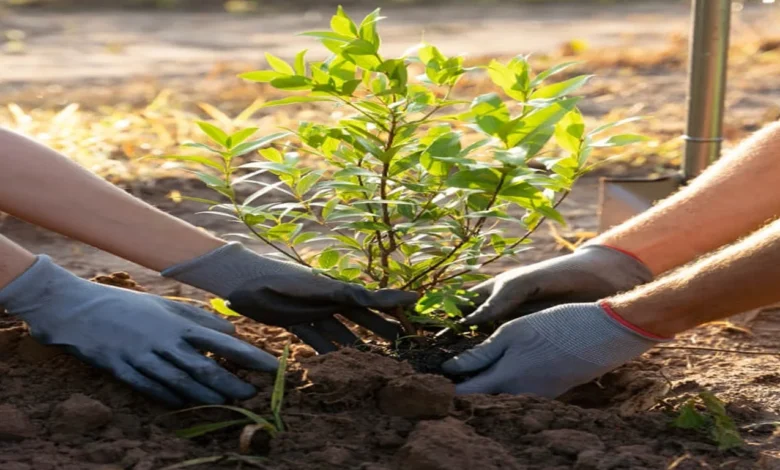
Digging a generous planting hole allows roots to spread naturally. The hole should be wide enough to accommodate the full root system without bending or crowding, though depth should match the original planting level indicated by the soil mark on the trunk. Planting too deep is a common mistake and can lead to poor growth or disease.
Improving soil structure is often more important than adding nutrients. Incorporating well-rotted organic matter into heavy clay can improve drainage and aeration, while light sandy soils benefit from added humus to retain moisture. However, excessive enrichment directly in the planting hole should be avoided, as it may discourage roots from spreading into the surrounding soil.
British gardeners should also consider soil pH. Most fruit trees prefer slightly acidic to neutral conditions. While bare-root trees are adaptable, extreme pH levels can limit nutrient uptake. Simple soil testing kits provide sufficient guidance, allowing gardeners to make gradual adjustments if needed.
Firming the soil after planting is essential to eliminate air pockets that can dry out roots. This does not mean compacting the ground excessively, but rather ensuring good root-to-soil contact. Watering thoroughly after planting helps settle the soil and provides immediate hydration, even in wet winters.
Rootstocks and Long-Term Tree Performance
One of the less obvious but most important aspects of bare-root fruit trees is the role of rootstocks. In Britain, apples in particular are grafted onto specific rootstocks that determine eventual tree size, vigour and adaptability. Bare-root trees offer clearer rootstock choices than many container-grown alternatives, making them ideal for planned gardens.
Dwarfing rootstocks suit small gardens, patios and trained forms such as cordons or espaliers. More vigorous rootstocks suit larger spaces or traditional orchards. Understanding this relationship allows gardeners to plant trees that will remain manageable and productive without excessive pruning.
Rootstocks also influence tolerance to soil conditions. Some perform better on heavy soils, while others prefer lighter ground. Selecting a rootstock suited to local conditions reduces stress on the tree and improves resilience against drought or waterlogging, both increasingly relevant in Britain’s changing climate.
Bare-root planting ensures the graft union is clearly visible at planting time, reducing the risk of burying it below soil level. If the graft is buried, the scion may root independently, negating the benefits of the chosen rootstock. Correct planting depth preserves the intended characteristics of the tree.
Over the long term, trees planted on appropriate rootstocks establish balanced growth, producing fruit earlier and more consistently. This is particularly important for apples, where cropping habits can vary widely. Bare-root trees, planted correctly, often show better structure and longevity than rushed container plantings.
Aftercare in the First Three Years
The final essential fact about bare-root planting is that aftercare determines success more than planting day itself. In Britain’s variable climate, newly planted trees need consistent attention during their first three growing seasons to establish deep, resilient root systems.
Watering remains crucial, particularly during dry springs and summers. Even though bare-root trees are planted during wetter months, roots are still developing and may not yet access deeper moisture reserves. Regular watering during dry spells supports steady growth and reduces stress.
Mulching helps conserve moisture, suppress weeds and regulate soil temperature. Organic mulches such as composted bark or garden compost suit British gardens well, provided they are kept clear of the trunk to prevent rot. Mulch gradually improves soil structure as it breaks down, benefiting long-term root health.
Staking may be necessary, especially in exposed sites. Young bare-root trees can be vulnerable to wind rock, which disrupts root establishment. A well-positioned stake and flexible tie provide support while allowing slight movement, encouraging stronger trunk development.
Pruning during the early years shapes the tree and balances root and shoot growth. Initial formative pruning, carried out after planting or in the first winter, helps establish a strong framework. British gardeners often hesitate to prune new trees, but careful pruning promotes healthier structure and earlier fruiting.
By the third year, a well-cared-for bare-root tree should be largely self-sufficient, with a root system capable of supporting consistent growth and cropping. The investment made during establishment pays dividends in productivity, resilience and overall garden satisfaction for decades to come.